“Brothers and sisters, I appeal to you in the name of our Lord Jesus Christ: live in harmony with one another, let there be no divisions among you, and be united in mind and understanding.” (1 Corinthians 1:10) These are the words of the Apostle Paul in his letter to the believers in Corinth. It is sobering to consider that, as the first Christian congregations took shape two thousand years ago, they were already on the brink of division.
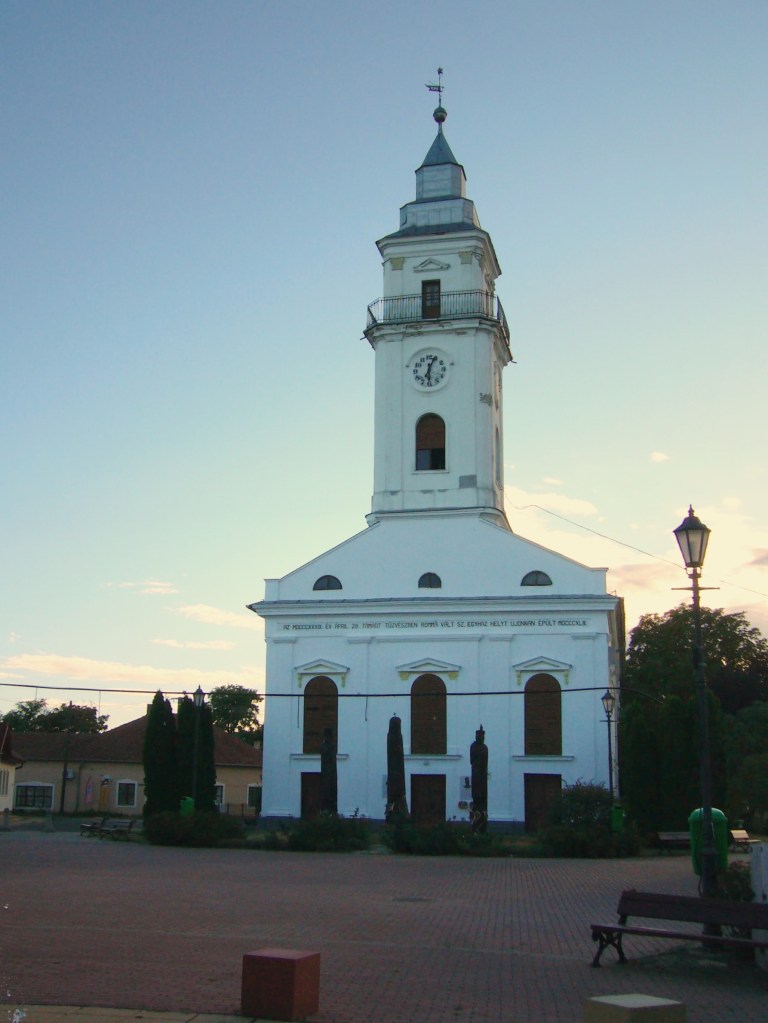
In 1927, in Komádi, a town in Hungary’s Hajdú-Bihar County, a two-year process of electing a pastor ended with eight hundred people leaving the Reformed Church. The picture above is the local Hungarian reformed Church in Komádi, which was built in 1843. This is just one example among the millions of instances in which divisions have arisen within the Church. It is a painful thought, especially when we consider that the Church is the body of Christ (1 Corinthians 12:12–31), and that most of these wounds have yet to heal.
In my view, these seemingly incurable wounds—inflicted by members of the Church themselves—have made the Christian faith marginalised and hated in Europe. The hatred born of these wounds is so powerful that Europe today, built upon Christ as its cornerstone, seeks to forget and deny this very fact. In some respects, this is outrageous; yet it becomes understandable when we examine such divisions, including the case in Komádi described above.
Yet the Lord can heal every wound, and the hope of the resurrection gives us strength to endure suffering and remain in love. For God himself is love, and whoever abides in him will live for ever.
Svábi Kovács Viktor, history student
“Testvérek, Urunk, Jézus Krisztus nevére kérlek titeket, éljetek mindnyájan egyetértésben, ne szakadjatok pártokra, legyetek egyek ugyanabban a lelkületben, ugyanabban a felfogásban.” (1Kor 1,10) Írja Pál apostol levelében a korinthusi híveknek. Elgondolkodtató, ahogy megszerveződtek az első gyülekezetek kétezer évvel ezelőtt; máris a szakadás szélén álltak.
A Hajdú-Bihar megyei Komádiban történt egy eset 1927-ben, amikor egy kétéves lelkészválasztás végén 800-an kiváltak a református egyházból. A kép is Komádi 1843-ra felépült református templomát ábrázolja. Ez csak egy példa, a sokmillió ilyen eset közül, amikor az egyházban szakadás állt be. Fájó gondolat, főleg, ha számításba vesszük, hogy az egyház Krisztus teste (1Kor 12,12–31), amely szakadások a legtöbb esetben nem gyógyultak még be.
Véleményem az, hogy ezen gyógyíthatatlannak tűnő sebek – melyet az egyház tagjai okoztak – tették Európában periferikussá és gyűlölté a keresztény hitet. A sérültségből fakadó gyűlölet pedig oly hatalmas, hogy a jelenlegi Európa mely Krisztuson, mint szegletkövön épült fel; felejteni és tagadni akarja ezt a tényt. Bizonyos szempontból felháborító, de megértheti az ember, ha megvizsgálja a szakadásokat, mint mondjuk a fent vázolt komádi esetet.
Pedig az Úr minden sebet képes meggyógyítani, a feltámadás reménye pedig erőt ad ahhoz, hogy elviseljük a fájdalmakat és szeretetben maradjunk. Hiszen Isten maga a szeretet, és ki benne marad élni fog mindörökké.
Svábi Kovács Viktor, történész hallgató

